
Gauze Pads vs Non-Stick Dressings: What’s the Difference?
Published by UnityMedicalSupplies on Apr 23rd 2026
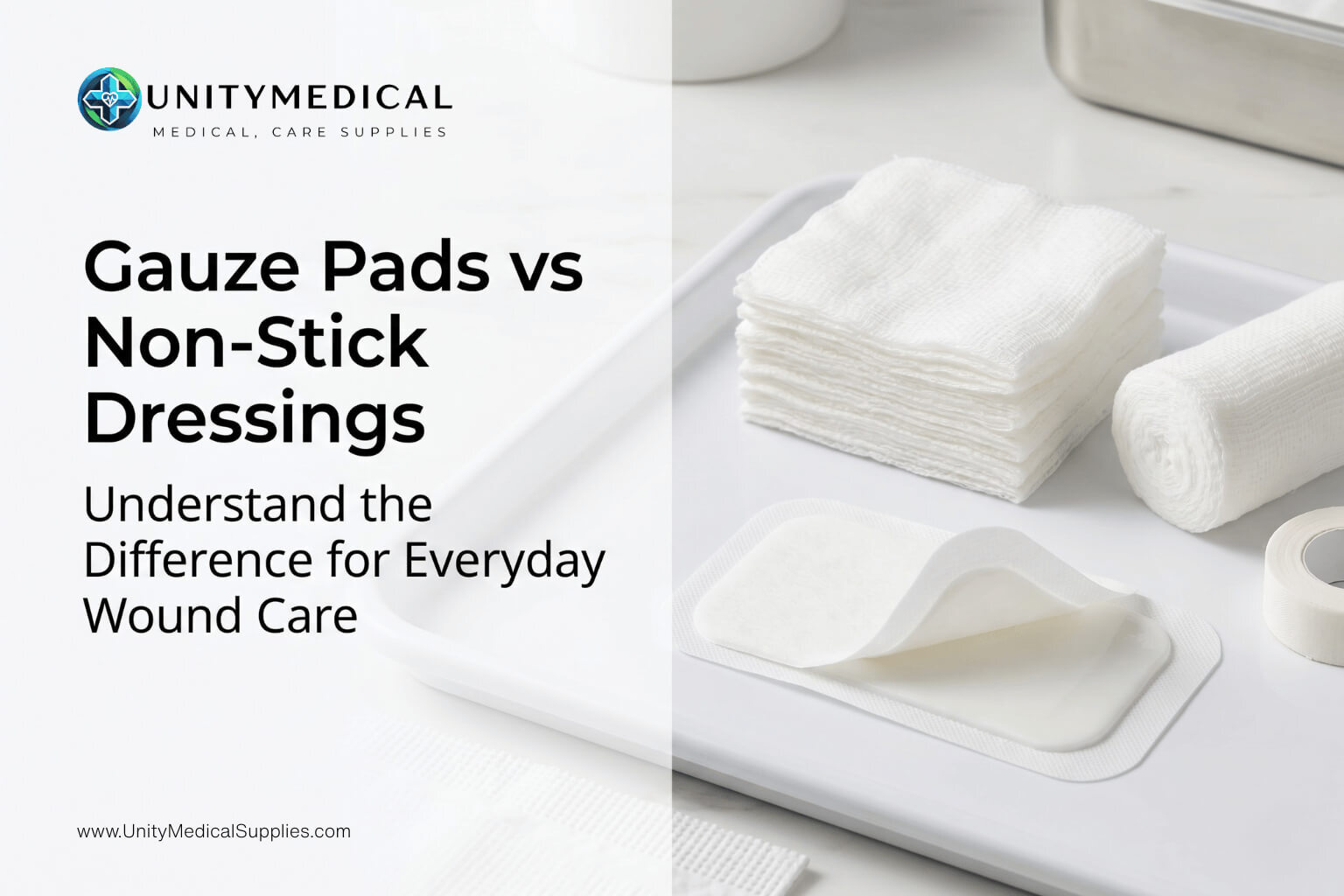
Gauze Pads vs Non-Stick Dressings: What’s the Difference?
Gauze pads and non-stick dressings are both common wound care staples, but they are not always interchangeable. While both can help support everyday wound care needs, they serve different roles depending on what matters most in the situation, such as absorbency, comfort during dressing changes, wound contact, and how the dressing will be secured.
For caregivers, clinic buyers, and first aid shoppers, understanding the difference between gauze pads and non-stick dressings can make product selection much easier. In many cases, the better choice depends less on which product is “better” overall and more on what the dressing needs to do.
Why This Comparison Matters in Everyday Wound Care
Choosing the right wound-cover option can affect comfort, convenience, and how practical a dressing feels in everyday use. Some buyers mainly need absorbency and flexibility. Others are more focused on reducing sticking and making dressing changes easier.
That difference matters whether you are stocking a home first aid kit, supporting routine caregiving, or organizing clinic supplies. Knowing when to reach for one option over the other can make it easier to build a more useful mix of gauze and wound dressings for everyday care needs.
If you are building a broader supply setup, this kind of comparison also fits naturally with a larger preparedness approach like First Aid Kit Essentials for Home, Work, and On-the-Go Use.
What Gauze Pads Are Designed to Do
Gauze has long been a staple in first aid and wound care because it is absorbent, versatile, and easy to incorporate into a wide range of setups. It is often chosen when buyers want a dependable material for coverage, cushioning, or absorbent support.
Absorbency and Coverage
One of the biggest reasons shoppers choose gauze is absorbency. Gauze can help support wound coverage while also handling drainage better than many simpler coverings. That makes it a practical option when absorbency is one of the main concerns.
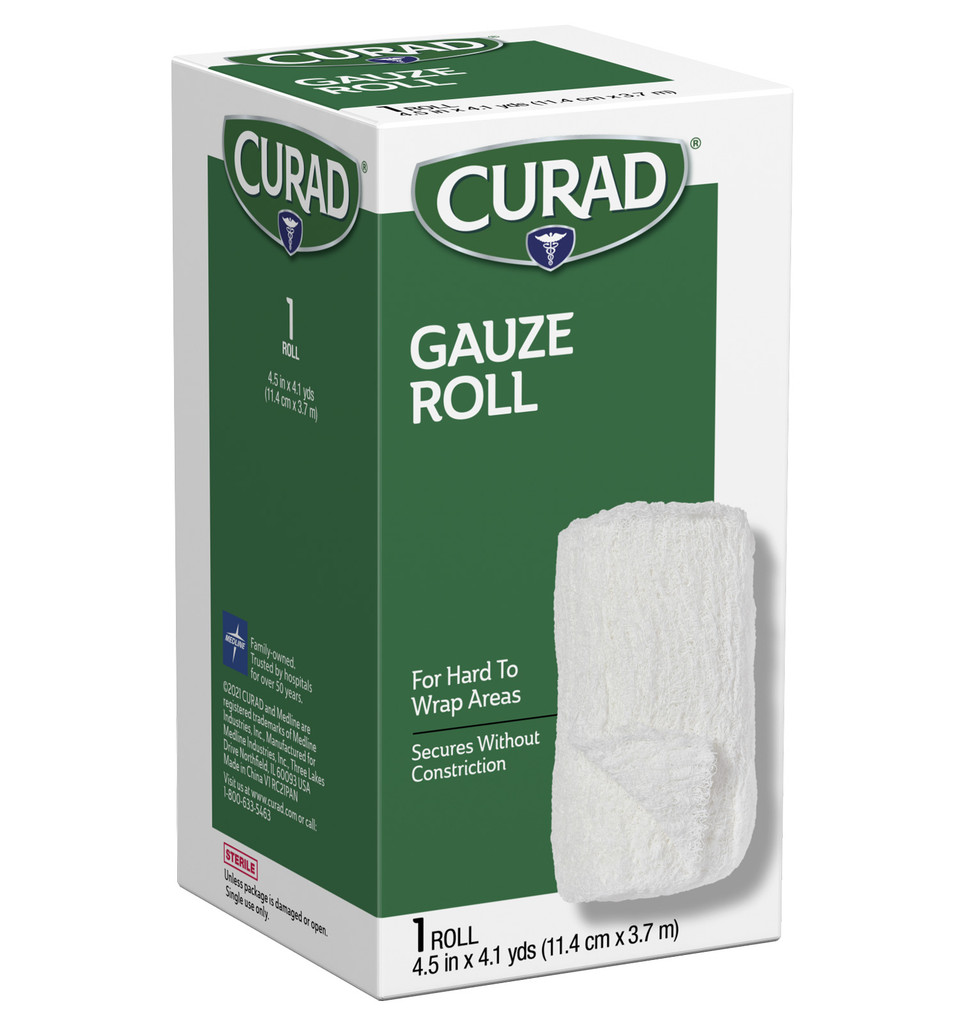
A product like CURAD Sterile 100% Cotton Gauze Roll, 4.5" x 4 yd., 24/case is a good example of traditional gauze used for absorbent support and flexible wound coverage. Many buyers keep cotton gauze on hand because it is one of the most recognizable and useful first aid staples across home and caregiving settings.
Why Gauze Is Often Kept in First Aid Kits
Another advantage of gauze is how adaptable it is. It can fit into many types of wound care kits, from basic home setups to more involved caregiving supplies. Because it is so widely used, many people see gauze as a default wound care essential.
That is also why a product like the CURAD Sootheplus Gauze Wound Care Kit, 12 boxes/case can be appealing for buyers who want a gauze-centered wound care option ready to keep on hand. It reinforces the idea that gauze is not just a single product type, but part of a broader wound care toolkit.
When Shoppers Often Reach for Gauze Pads
In general, shoppers often reach for gauze when they want absorbency, broader wound coverage, or a more traditional first aid staple. It can also make sense when building out a more complete wound care kit that may need layered support or a product that works across multiple everyday use cases.
What Non-Stick Dressings Are Designed to Do
Non-stick dressings are designed with a different priority in mind. Instead of focusing first on gauze-like direct absorbency, they are often chosen because they are made to reduce sticking to the wound area. That can make a meaningful difference in comfort and convenience, especially when dressing changes are part of the routine.
Why the Non-Stick Surface Matters
The main advantage of a non-stick wound dressing is right in the name: it is designed to avoid sticking directly to the wound as much as a more traditional absorbent layer might. That can help support comfort and make the dressing feel more practical in situations where a direct-contact layer matters.
A product like Medline OptiLock Nonadhesive Super Absorbent Wound Dressings, 5 Sizes is a good example of a nonadhesive absorbent wound dressing that combines absorbent performance with a dressing format intended for more comfortable wound contact.
Comfort During Dressing Changes
One of the strongest reasons buyers choose non-stick dressings is that they may make routine dressing changes more comfortable. For caregivers or users dealing with repeated dressing changes, that can be a very important factor.
Products like Medline SORBEX Sterile Absorbent Dressings, 7 Size Options show how absorbent dressing options can be designed to support wound coverage while still prioritizing a more dressing-oriented format rather than basic gauze alone.
How Non-Stick Dressings Fit Into Layered Wound Care
Non-stick dressings are often part of a layered wound care setup. In some situations, they serve as the wound-contact layer while another product helps with securement or added absorbency.
More advanced options, such as Medline OptiView Transparent Dressings with HydroCore; 6", 7" and 9" sizes, also show how wound dressings can go beyond simple gauze-versus-pad comparisons. These kinds of dressings are more specialized, but they help illustrate that some buyers are looking for dressing solutions with added coverage features or more advanced wound care support.
Gauze Pads vs Non-Stick Dressings: The Key Differences
The biggest difference between gauze pads and non-stick dressings usually comes down to absorbency versus wound-contact comfort, though there is often some overlap.
Absorbency
Gauze is often chosen because it is a familiar absorbent staple. It works well when buyers want traditional absorbent support and general wound coverage. Non-stick dressings can also offer absorbent support, especially in more advanced formats, but their appeal often goes beyond absorbency alone.
Wound Contact
This is where the clearest difference usually appears. Gauze is commonly seen as a more traditional absorbent material, while non-stick dressings are specifically designed to reduce sticking to the wound area. For many buyers, that becomes the deciding factor.
Ease of Dressing Changes
When dressing-change comfort matters, non-stick dressings often stand out. Gauze is still highly useful, but buyers comparing the two often find that non-stick dressings make more sense when they want a gentler wound-contact layer.
How Each Is Usually Secured
Both types may need additional securement depending on the product and how they are being used. This is why many shoppers comparing gauze and wound dressings also end up thinking about tape, secondary layers, or overall dressing setup.
For everyday shoppers, the most important takeaway is that gauze often leans toward versatility and absorbency, while non-stick dressings often lean toward wound-contact comfort and easier dressing changes.
When Gauze Pads May Be the Better Choice
Gauze pads may be the better choice when absorbency is the main priority, when you want a traditional wound care staple, or when you are building a general-purpose first aid setup that needs flexibility.
A product like CURAD Sterile 100% Cotton Gauze Roll is a good example of gauze that supports traditional absorbent coverage in a versatile format. In more specialized situations, products such as CURAD Bloodstop Hemostatic Gauze Wound Dressing, 1" x 1", 120/case show that gauze-based wound dressing options can also extend into more targeted needs.
Gauze can also make sense when buyers want to keep a broader wound care supply on hand for general absorbent support or layered dressing flexibility.
If securement is part of the buying decision, this article should also connect naturally with How to Choose Medical Tape for Wound Care and Dressing Changes.
When Non-Stick Dressings May Be the Better Choice
Non-stick dressings may be the better choice when reducing sticking is a priority, when dressing changes are expected to happen more often, or when caregivers want a more comfortable wound-contact layer.
A product like Medline OptiLock Nonadhesive Super Absorbent Wound Dressings, 5 Sizes is a strong example of a dressing designed for absorbent support without relying on a more traditional gauze-first format. Medline SORBEX Sterile Absorbent Dressings, 7 Size Options are another example of absorbent wound dressings that may make more sense when buyers want something beyond basic gauze.
This can be especially relevant when comfort during changes matters, which is also why this topic pairs well with How to Choose a Dressing for Fragile or Sensitive Skin.
Can You Use Gauze Pads and Non-Stick Dressings Together?
Yes, in some situations it makes sense to keep both available because they may serve different roles. A wound care setup is not always a strict either-or choice.
For example, one product may be preferred for wound contact while another helps with absorbency or outer support. That is one reason many buyers keep both CURAD Sterile 100% Cotton Gauze Roll and non-stick options like Medline OptiLock Nonadhesive Super Absorbent Wound Dressings in a broader wound care setup.
The best combination depends on how much absorbency is needed, how much dressing-change comfort matters, and how the overall dressing will be secured.
Common Mistakes to Avoid When Comparing Wound Dressings
One common mistake is assuming gauze pads and non-stick dressings are basically the same thing. While both can be useful wound care products, they usually serve different purposes.
Another mistake is focusing only on absorbency. Absorbency matters, but so does wound contact and comfort during dressing changes. Buyers who ignore that difference may end up with a product that feels less practical than expected.
It is also easy to forget about securement. Some dressings may still need tape or another support layer, which is why dressing comparisons work best when buyers think about the whole setup, not just the contact pad itself.
Finally, many people make the mistake of stocking only one wound-cover option. In many home and caregiving settings, it is more practical to keep a mix of wound care staples available, just as it can be helpful to keep a variety of products like adhesive bandages on hand. That makes this a natural internal link opportunity to How to Choose the Right Adhesive Bandage for Everyday First Aid.
Shop Wound Care Products by Need
If you are comparing gauze pads and non-stick dressings, it can help to think in terms of what role the product needs to play.


To browse by category, you can also:
What to Keep on Hand Alongside Gauze Pads or Non-Stick Dressings
Gauze pads and non-stick dressings are often most useful when they are part of a broader wound care setup. Depending on the situation, it may also make sense to keep medical tape, adhesive bandages, antiseptic wipes, wound-cleansing products, and general first aid supplies nearby.
That is especially true for home caregivers, clinic buyers, and anyone building a more complete first aid station. When wound care products are chosen with the full setup in mind, the result is usually more practical than relying on just one type of wound cover.
This section should also connect naturally to How to Choose Medical Tape for Wound Care and Dressing Changes and How to Choose the Right Adhesive Bandage for Everyday First Aid.
Final Thoughts: Choosing Between Gauze Pads and Non-Stick Dressings
Gauze pads and non-stick dressings are both useful wound care products, but they are not exactly the same. Gauze is often chosen for absorbency, familiarity, and versatility. Non-stick dressings are often chosen when wound-contact comfort and easier dressing changes matter more.
For many caregivers, clinic buyers, and first aid shoppers, the most practical approach is not choosing one forever over the other. It is understanding what each one does best and keeping the right mix available for different everyday care needs.
To explore your options, you can:
FAQ
What is the difference between gauze pads and non-stick dressings?
Gauze pads are often chosen for absorbency and general wound coverage, while non-stick dressings are designed to reduce sticking to the wound area and may feel more comfortable during dressing changes.
When should I use gauze pads?
Gauze pads are often useful when absorbency is the main priority, when you want a traditional wound care staple, or when building a broader first aid setup.
When should I use a non-stick dressing?
A non-stick dressing may make more sense when reducing sticking is important and when comfort during dressing changes is a higher priority.
Are non-stick dressings more comfortable than gauze?
They can be, especially when dressing changes are part of the routine. That is one reason products like Medline OptiLock Nonadhesive Super Absorbent Wound Dressings may appeal to buyers who want a more dressing-oriented wound-contact option.
Do gauze pads and non-stick dressings need medical tape?
Depending on the product and setup, they may. Some wound care products still need securement, which is why tape often plays an important supporting role.
Should I keep both gauze and non-stick dressings in a first aid kit?
In many cases, yes. Keeping both available can make a first aid or caregiving kit more flexible because each product type supports different everyday wound care needs.