
Antibiotic Ointment vs Petroleum Jelly: What to Put on a Cut or Scrape
Published by UnityMedicalSupplies on Nov 2nd 2026
Updated November 2026
For most minor cuts and scrapes, plain petroleum jelly is all you need. The American Academy of Dermatology (AAD) recommends it over antibiotic ointment: it keeps the wound moist so it heals, without the skin irritation antibiotic creams can cause. Antibiotic ointments such as bacitracin and triple antibiotic are labeled to help prevent infection in minor wounds, but a rash is a known risk with them. Hydrocortisone is a different product: it's for itching, not for cuts.
The options at a glance
| Product | What's in it | Labeled for | Watch out for | At Unity |
|---|---|---|---|---|
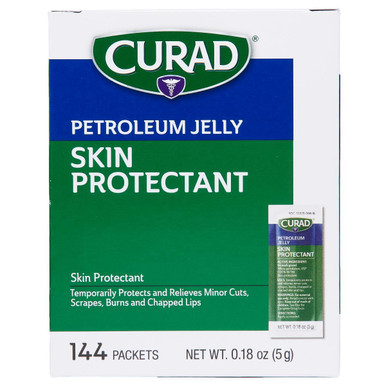
| Petroleum jelly | 100% petrolatum | Temporarily protecting minor cuts, scrapes and burns; dry, chapped skin | Use a tube, not a shared jar, to keep it clean | CURAD Petroleum Jelly, 1 oz tube or 5 g packets; Dynarex WeCare White Petrolatum, 5 g packets, 144/box |
| Bacitracin | One antibiotic: bacitracin zinc, 500 units, in a mineral oil and petrolatum base | Helping prevent infection in minor cuts, scrapes and burns | Bacitracin can cause an allergic skin rash | CURAD Bacitracin with Zinc, 1 oz tube or 0.9 g packets |
| Triple antibiotic | Bacitracin zinc 400 units, neomycin 3.5 mg, polymyxin B 5,000 units | Helping prevent infection in minor cuts, scrapes and burns | Neomycin is a common cause of allergic skin rash | CURAD Triple Antibiotic, 1 oz tube; Plus Pain Relief adds pramoxine |
| Hydrocortisone 1% | Hydrocortisone, a mild corticosteroid | Itching from insect bites, poison ivy, oak or sumac, minor rashes, eczema and psoriasis | Not a wound ointment; for any use not on the label, only with a doctor's advice | CURAD 1% Hydrocortisone Anti-Itch Cream, 1 oz |
| Vitamin A and D ointment | 93.4% white petrolatum plus vitamins A and D | Scrapes, small burns, minor cuts, dry or chapped skin | Same role as petroleum jelly | CURAD Vitamin A and D Ointment |
Shop the full range of first aid ointments.
Does a cut need antibiotic ointment?
Usually not. The AAD says most minor cuts and wounds, and even surgical wounds, don't need antibiotics, and that antibiotics are typically needed only when a wound is infected. As long as you clean the wound daily, an antibiotic ointment isn't necessary. The AAD adds that antibiotic creams can irritate skin even more, causing a painful or itchy rash called contact dermatitis.
Mayo Clinic's first aid advice allows either: a thin layer of antibiotic ointment or petroleum jelly keeps the surface moist and helps prevent scarring. It also notes that ingredients in some antibiotic ointments cause a mild rash in some people. If that happens, stop using the ointment.
The practical upshot: keep the cut clean, moist and covered. Petroleum jelly does that for most everyday nicks and scrapes. If your doctor or nurse recommends an antibiotic ointment for a particular wound, follow their advice.
Bacitracin vs triple antibiotic ointment (and Neosporin)
Bacitracin ointment has one antibiotic. Triple antibiotic ointment combines three: bacitracin, neomycin and polymyxin B. Neosporin is the best-known brand of triple antibiotic ointment. CURAD Triple Antibiotic contains the same three antibiotics, and CURAD Bacitracin with Zinc is the single-ingredient option.
The main practical difference is allergy. The American Contact Dermatitis Society named neomycin its Allergen of the Year in 2010, and bacitracin in 2003. Some people react to neomycin, which is why a "double antibiotic" ointment without it is also sold. If you've had a rash from a triple antibiotic ointment before, talk to a pharmacist or doctor before using another one.
CURAD also makes a triple antibiotic with pramoxine, a pain reliever, for cuts that sting.
Is petroleum jelly (Vaseline) good for cuts?
Yes. The AAD recommends applying petroleum jelly to a minor cut and keeping it on until the cut heals, because it keeps the wound moist. It suggests petroleum jelly from a tube rather than a jar, so fingers don't contaminate it.
Vaseline is a brand of petroleum jelly. The CURAD tube and the Dynarex WeCare packets are both 100% petrolatum, and both are labeled to temporarily protect minor cuts, scrapes and burns as well as dry, chapped skin. Single-use 5 g packets are a clean option for first aid kits and care carts.
Where hydrocortisone fits
Hydrocortisone cream is for itching and minor skin irritation, not for cuts. The CURAD 1% cream is labeled for itching from insect bites, poison ivy, oak or sumac, eczema, psoriasis, and reactions to soaps, detergents, cosmetics and jewelry. Its label says to use it for anything else only with a doctor's advice.
MedlinePlus adds two cautions: don't bandage skin treated with hydrocortisone unless your doctor tells you to, and talk to your child's doctor before using it on children. If a healing cut becomes red, swollen or more painful, call your doctor rather than reaching for hydrocortisone; those can be signs of infection.
How to use ointment on a cut
- Wash your hands, then clean the cut with water and mild soap or a wound cleanser. See wound cleanser vs saline.
- Apply a thin layer of petroleum jelly, or an antibiotic ointment if your clinician recommends one.
- Cover it with a bandage or a non-stick pad and tape.
- Change the dressing at least once a day, or sooner if it gets wet or dirty, and reapply. See how to change a dressing.
- Get medical care for a cut longer than ¾ inch, deeper than ¼ inch, or one that won't stop bleeding, and call your doctor if you see increasing redness, swelling, pain or pus.
Stocking a first aid kit, clinic or care cart
Single-use packets keep ointment clean when several people share a kit. Unity carries:
- CURAD Bacitracin with Zinc, 0.9 g packets: 144 per box, 1,728 per case
- Dynarex WeCare White Petrolatum, 5 g packets: 144 per box, 864 per case
- CURAD Petroleum Jelly, 1 oz tubes or 5 g packets
- CURAD Triple Antibiotic, 1 oz tubes: each or 12 per case
Pair them with a first aid kit and adhesive bandages. Orders over $50 ship free.
Frequently asked questions
Is Vaseline better than Neosporin for a cut?
For most minor cuts, dermatologists prefer petroleum jelly such as Vaseline. The AAD says it keeps the wound moist without the irritation antibiotic creams can cause. Use antibiotic ointment if your doctor recommends it.
Is bacitracin the same as Neosporin?
No. Bacitracin ointment contains one antibiotic. Neosporin is a brand of triple antibiotic ointment, which adds neomycin and polymyxin B to bacitracin.
Can I put hydrocortisone cream on a cut?
Hydrocortisone is labeled for itching and minor rashes, not cuts. Use petroleum jelly or an antibiotic ointment on a cut, and ask your doctor before using hydrocortisone on broken skin.
How long should I keep ointment on a cut?
The AAD says to keep applying petroleum jelly until the cut heals; most minor cuts heal in a week or less. Reapply each time you change the dressing.
Sources: AAD, How to treat minor cuts and When to use, or not use, antibiotics on your skin; Mayo Clinic, Cuts and scrapes: First aid; MedlinePlus, Hydrocortisone topical; Wikipedia, Neomycin/polymyxin B/bacitracin and Allergen of the Year. This article is general information, not medical advice.