
Waterproof, Fabric, or Sensitive Skin? How to Choose an Adhesive Bandage
Published by UnityMedicalSupplies on Apr 23rd 2026
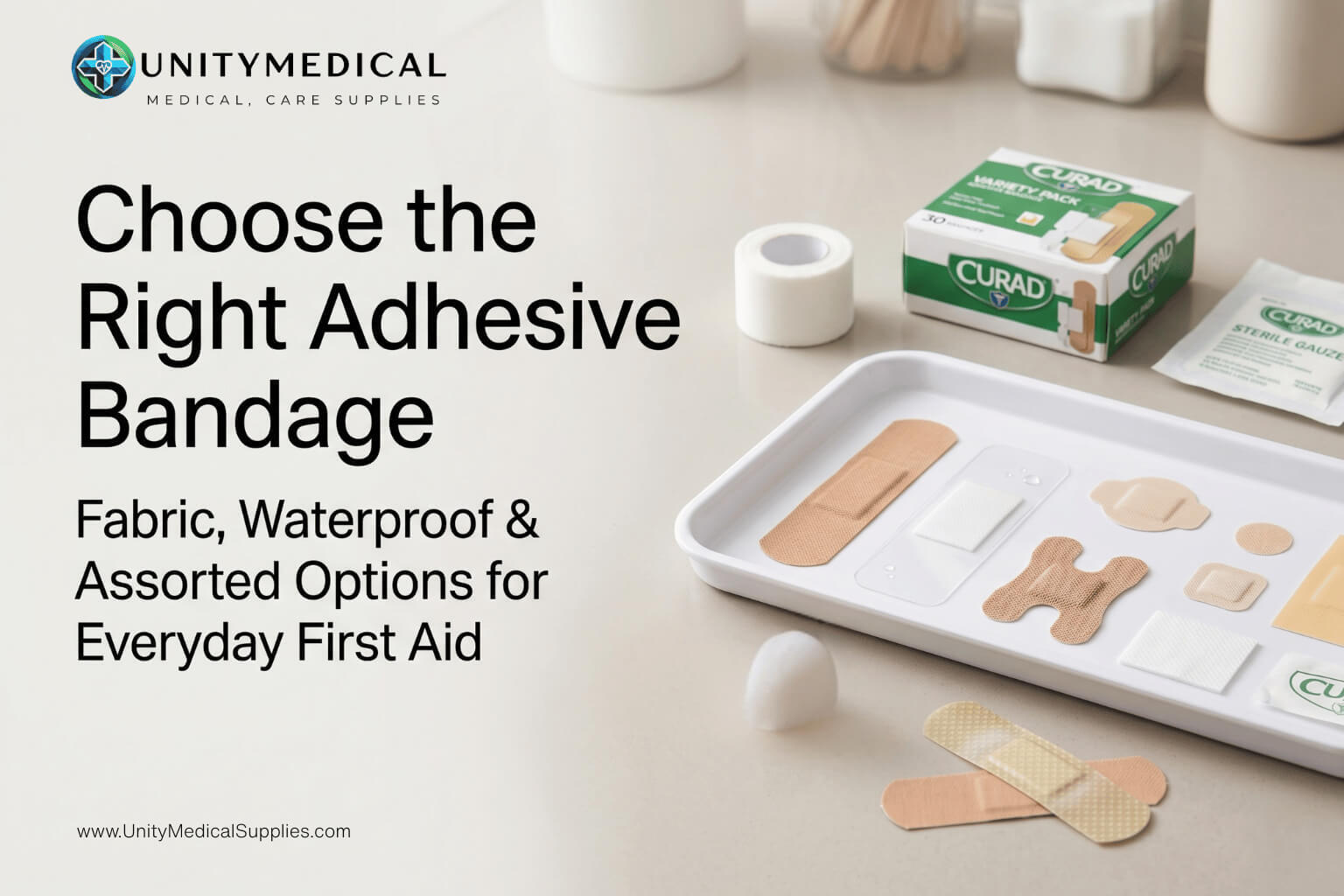
How to Choose the Right Adhesive Bandage for Everyday First Aid
Adhesive bandages are one of the most common items in any first aid kit, but choosing the right one is not always as simple as grabbing the first box you see. The best adhesive bandage for everyday first aid depends on a few practical factors, including size, flexibility, water resistance, skin comfort, and where you expect to use it most.
For home users, caregivers, and school or office buyers, having the right mix of bandages on hand can make minor first aid situations easier to manage. Whether you are stocking a home medicine cabinet, refreshing a workplace kit, or putting together travel essentials, it helps to understand which bandage features matter most before buying.
Why Choosing the Right Adhesive Bandage Matters
A good adhesive bandage does more than cover a minor cut or scrape. The right option can feel more comfortable during daily wear, stay in place better during regular movement, and make first aid kits more useful in real-life situations.
For many households and workplaces, it also makes sense to keep more than one style on hand. A standard strip bandage may work well for small everyday cuts, while waterproof options may be more useful in moisture-prone situations, and flexible bandages may feel better on fingers, joints, or active areas.
If you are building or updating a larger supply setup, this kind of planning also fits naturally with broader preparedness guidance like First Aid Kit Essentials for Home, Work, and On-the-Go Use.
What to Look for in an Everyday Adhesive Bandage
When choosing an adhesive bandage, start with the basics: size, material, water resistance, adhesive performance, and ease of use.
Bandage Size
Bandage size matters because different minor injuries call for different levels of coverage. A small strip may be enough for a simple cut, while a larger or differently shaped bandage may be more practical for scrapes, knuckles, or high-movement areas.
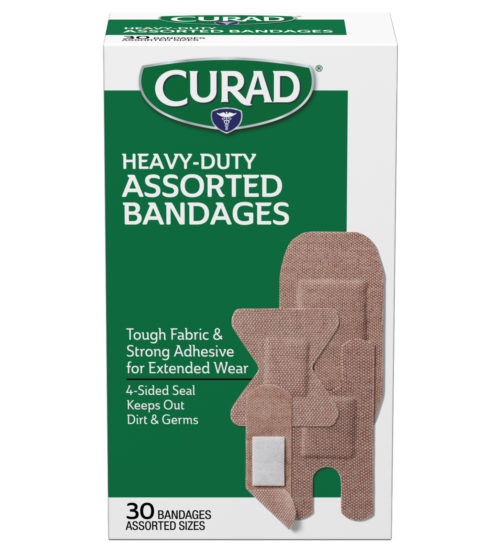
That is one reason many buyers prefer keeping assorted options on hand. A compact option like CURAD Assorted Adhesive Bandages Variety Pack, 30/box can make sense for home use, glove compartments, or travel kits. For higher-volume environments that benefit from more variety, the CURAD Assorted Bandages Variety Pack, 6 Types, 300/box, 18 boxes/case offers a wider assortment for mixed first aid needs.
Keeping multiple adhesive bandage sizes available is often the most practical way to make sure your kit is ready for everyday situations.
Material and Flexibility
Not every bandage feels the same during wear. Fabric-style bandages are often preferred when flexibility matters, especially for fingers, joints, or other areas that move frequently throughout the day.
A flexible option like CURAD Flex-Fabric Adhesive Bandages, 1" x 3" Strips, 100/box can be a strong everyday choice when comfort and movement are important. For knuckles and similarly awkward areas, a more specialized shape such as CURAD Flex-Fabric Adhesive Bandages, 1-1/2" x 3", for Knuckles, 1200/case may offer a better fit than a basic strip.
If you expect frequent movement, flexibility is one of the first features worth prioritizing.
Water Resistance
Some everyday first aid situations involve more moisture than others. Frequent hand washing, damp environments, or regular daily activity can all make water resistance more important.
For that reason, waterproof bandages are often worth considering alongside standard fabric options. Products like the CURAD Waterproof Bandages Variety Pack, 3 Sizes, 120/box, 24 boxes/case can be helpful when you want more moisture resistance across several sizes. A clear option such as CURAD Clear Waterproof Adhesive Bandages, 4 Size Options may also appeal to buyers who want a lower-profile look with waterproof coverage.
Waterproof does not automatically mean better for every situation, but it can be a useful feature depending on where and how the bandage will be used.
Adhesive Strength and Skin Comfort
Some buyers want stronger hold, especially for more active daily use. Others care more about comfort and easier removal. The best adhesive bandage is not always the one with the strongest grip. It is the one that best matches the situation.
For users who expect more movement or want a more secure hold, CURAD Heavy Duty Extreme Hold Bandages, 3 size options, 24 boxes/case are a good example of a stronger-hold option designed for tougher everyday conditions.
At the same time, it is worth remembering that stronger adhesion is not ideal for every person or every setting. In caregiving environments or households where skin comfort matters, ease of wear and removal may be just as important as staying power.
Ease of Use in a First Aid Setting
The right adhesive bandage should also be easy to keep on hand, easy to grab quickly, and practical for the setting where it will be stored.
For example, a smaller mixed assortment like the CURAD Assorted Adhesive Bandages Variety Pack, 30/box may be a simple fit for home and travel kits. In a school, office, or higher-use environment, a broader assortment such as the CURAD Assorted Bandages Variety Pack, 6 Types, 300/box, 18 boxes/case may make more sense for convenience and coverage.
Waterproof vs Fabric Bandages: Which Should You Choose?
One of the most common questions shoppers have is whether waterproof or fabric bandages are the better choice. In practice, the answer depends on how the bandage will be used.
Fabric Bandages May Be Better for Flexibility and Daily Comfort
Fabric bandages are often a strong choice for everyday minor cuts and scrapes, especially when flexibility matters. They can feel more comfortable during movement and may work particularly well on fingers, hands, and joints.
A product like CURAD Flex-Fabric Adhesive Bandages, 1" x 3" Strips, 100/box fits this kind of everyday use well. For harder-to-cover areas, CURAD Flex-Fabric Adhesive Bandages for Knuckles can be a better match than a standard strip.
Waterproof Bandages May Be Better for Moisture-Prone Situations
Waterproof bandages are often the better option when you expect repeated exposure to water or moisture. Regular hand washing, damp conditions, or routines that may loosen standard bandages can make waterproof protection more useful.
Products like the CURAD Waterproof Bandages Variety Pack and CURAD Clear Waterproof Adhesive Bandages are good examples of waterproof options that may better fit those needs.
Neither fabric nor waterproof bandages are universally better. For many buyers, the most practical answer is to keep both available and choose based on the situation.
How to Choose Based on Where the Bandage Will Be Used
The best adhesive bandage can also depend on where you expect it to be used most often.
For Home First Aid Kits
At home, versatility usually matters more than specialization. A small assortment of different sizes and styles can cover a wide range of minor everyday needs.
The CURAD Assorted Adhesive Bandages Variety Pack, 30/box is a practical example of a home-friendly option because it gives you variety without taking up much space. Many households also benefit from pairing assorted bandages with a few waterproof or flexible options for more specific situations.
For School or Office First Aid Supplies
In school and office settings, broader coverage and ease of access matter more. A wider assortment can help support more people and a larger range of minor first aid needs.
The CURAD Assorted Bandages Variety Pack, 6 Types, 300/box, 18 boxes/case is a good fit for that kind of environment because it supports variety and higher-volume use. If you are planning for workplace readiness, it also makes sense to review What to Keep in a Workplace First Aid Kit as part of a more complete supply strategy.
For Travel or On-the-Go Kits
For travel and on-the-go first aid, compact packaging and versatility matter most. Smaller assorted packs are often a practical fit because they cover different needs without taking up too much room.
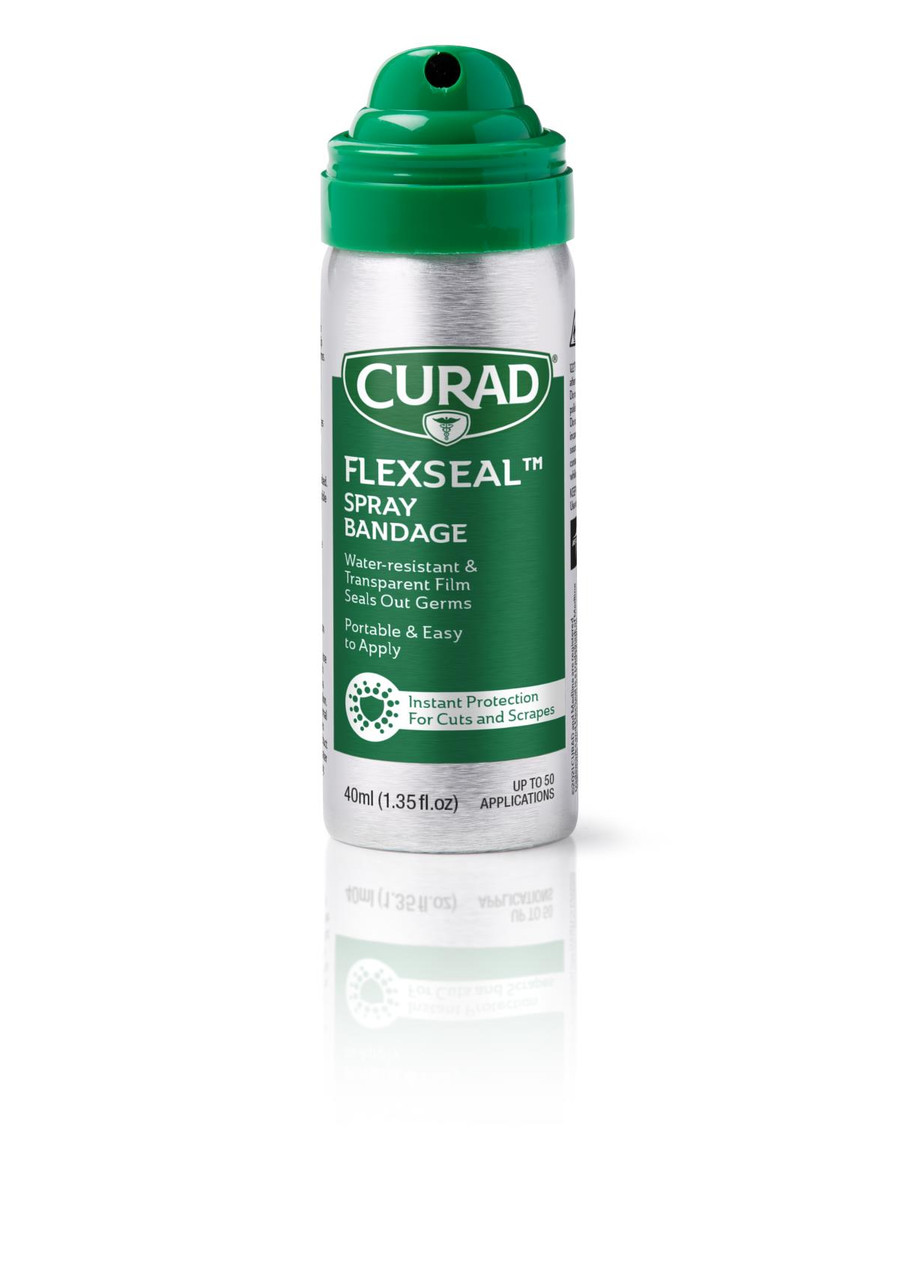
The CURAD Assorted Adhesive Bandages Variety Pack, 30/box works well in this kind of setup. Some people also like keeping a backup option such as CURAD flexSEAL Spray Bandage, 40 mL bottle, each for minor everyday situations where an alternate format may be convenient.
For a broader portable-preparedness approach, this article should also connect naturally with Travel First Aid Kit Essentials: What to Pack for Everyday Preparedness.
How Sensitive Skin Can Change the Best Choice
Skin comfort can have a big impact on which adhesive bandage feels like the best fit. In some cases, flexibility, lighter-feeling materials, and easier removal may matter more than maximum hold.
This is especially relevant in caregiving settings, homes with children, or situations where bandages may need to be changed more often. In those cases, buyers may want to think carefully about comfort, wear time, and whether a gentler approach makes more sense than simply choosing the strongest adhesive available.
For readers thinking more broadly about protection and comfort for delicate skin, this post should also link to How to Choose a Dressing for Fragile or Sensitive Skin.
Common Mistakes to Avoid When Buying Adhesive Bandages
A few common mistakes can make first aid kits less useful than they should be.
- Buying only one size
- Overlooking moisture exposure
- Assuming stronger adhesive is always better
- Not thinking about where the bandage will be used
- Skipping variety packs for mixed-use settings
For mixed-use environments, having a range of bandage sizes and types often works better than relying on a single style.
Shop Adhesive Bandages by Need
If you are comparing options, it can help to shop by the kind of everyday first aid need you are trying to cover.



What to Keep on Hand Alongside Adhesive Bandages
Adhesive bandages are a first aid staple, but they work best as part of a broader everyday first aid setup. Depending on your needs, it may also make sense to keep gauze pads, non-stick dressings, medical tape, and antiseptic wipes or wound-cleansing products nearby.
That kind of setup is especially useful when you are stocking a home cabinet, workplace station, or travel kit with more than just the basics. Adhesive bandages are often the first thing people reach for, but having related first aid supplies on hand can make everyday preparedness more complete.
Final Thoughts: Choosing the Best Adhesive Bandage for Everyday First Aid
The best adhesive bandage depends on how and where you plan to use it. Size, flexibility, water resistance, adhesive performance, and skin comfort all play a role in choosing the right option.
For many homes, workplaces, and travel kits, the most practical approach is not to choose one bandage for every situation, but to keep a small mix of useful options on hand. Flexible fabric bandages, waterproof styles, assorted packs, and a few specialty shapes can make everyday first aid easier and more convenient.
To browse more options, shop adhesive bandages and everyday first aid supplies that fit your home, caregiving, workplace, or on-the-go needs.
FAQ
What size adhesive bandage should I keep in a first aid kit?
A mix of sizes is usually the most practical choice. Standard strips cover many minor cuts, but assorted packs can help you stay prepared for different needs and body areas.
Are waterproof bandages better than fabric bandages?
Not always. Waterproof bandages may be more useful in moisture-prone situations, while fabric bandages are often preferred for flexibility and comfort during daily movement.
What adhesive bandages work best for active everyday use?
For more active use, shoppers often look for flexible materials or stronger hold, depending on the situation. A product like CURAD Heavy Duty Extreme Hold Bandages may be worth considering when staying power matters more.
Should I keep assorted bandages at home?
Yes, assorted options are often helpful for home use because they give you multiple sizes or styles in one place, making everyday first aid more convenient.
What kind of bandages are useful for school or office first aid kits?
School and office kits often benefit from a broader assortment that can support a range of minor everyday first aid situations. Higher-volume variety packs can be especially practical in shared environments.
Is spray bandage a replacement for standard adhesive bandages?
Not necessarily. Spray bandage can be a useful backup or alternate-format option for certain minor situations, but standard adhesive bandages are still a core everyday first aid supply for many kits.